Early life adversity and later development: Studies of children adopted from orphanage-like institutions
- Date: Tuesday, October 27, 2026
- Time: 2:00pm — 3:00pm PDT
- Location: Shriram II, ANKO
This event has already occurred.
Numerous theories in developmental psychology propose that there are sensitive periods early in life during which sensory, nutritional, and social experiences lay the foundations for neurobehavioral development and physical health. These theories are bolstered by research in animal models, because in animals we can use random assignment to early life conditions and control the timing of those experiences. This is not possible in humans. Typically, the quality of conditions early in life presage the quality that will be experienced throughout development and into the adulthood of the individual. There is one area where that is not true and where there are marked differences between conditions during very early life and conditions during most of childhood and adolescents. Children placed in orphanage-like conditions at or soon after birth and adopted or fostered into supportive, well-resourced homes early in childhood experience a massive improvement in social and physical conditions.
Based on work from children adopted from countries across the globe and consistent with work on children in Romania randomly assigned to “care as usual” or removal from institutional care into foster homes, this talk will trace the long-arm of early life deprivation on neurobehavioral, socioemotional and physical health. The bottom line is that what happens early in life is critical to future development. Simply put, we can not wait until children are older to provide the type of support and enrichment associated with healthy, competent child outcomes.
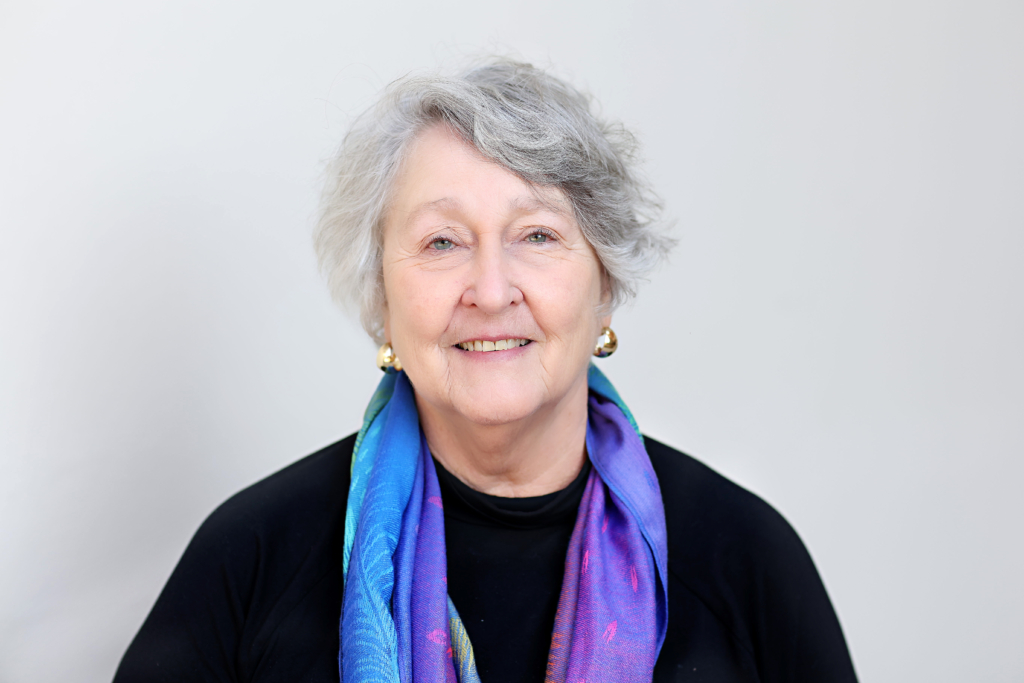
Speaker biography
Megan R. Gunnar is a Regents Professor Emerita at the University of Minnesota. She received her Ph.D. in Developmental Psychology at Stanford University in 1978 with Eleanor Maccoby followed a postdoctoral fellowship in psychoneuroendocrinology with Seymour Levine in the Medical School. She joined the faculty of the Institute of Child Development in 1979. She has spent her career studying how stress affects development and the processes that help children regulate stress hormones. She is a member of the National Academy of Sciences, American Academy of Arts and Sciences, and the National Academy of Education. She has lifetime achievement awards from the American Psychological Association, the Society for Research in Child Development, the Association for Psychological Sciences (APS), the International Society for Psychoneuroendocrinology and the International Society for Developmental Psychobiology (ISDP). She also has mentoring awards from APS and ISDP. She is involved in many activities to translate the science of early development for use by policy makers, including being a founding member of the National Scientific Council on the Developing Child, and previous service on the Minnesota Governor Children’s Advisory Council. She is a member of the RAPID-EC advisory board. She is also on the Boards of Think Small (advocates for affordable and high quality child care) and the Greater Minneapolis Crisis Nursery (support for low income, highly stressed families).
This talk is part of the Stanford Center on Early Childhood Speaker Series.