- by Monica Arpino
New RAPID Survey Amplifies Pediatric Healthcare Providers’ Voices and Experiences
The Stanford Center on Early Childhood is proud to announce the Spring 2026 launch of the national RAPID-Pediatrics survey.
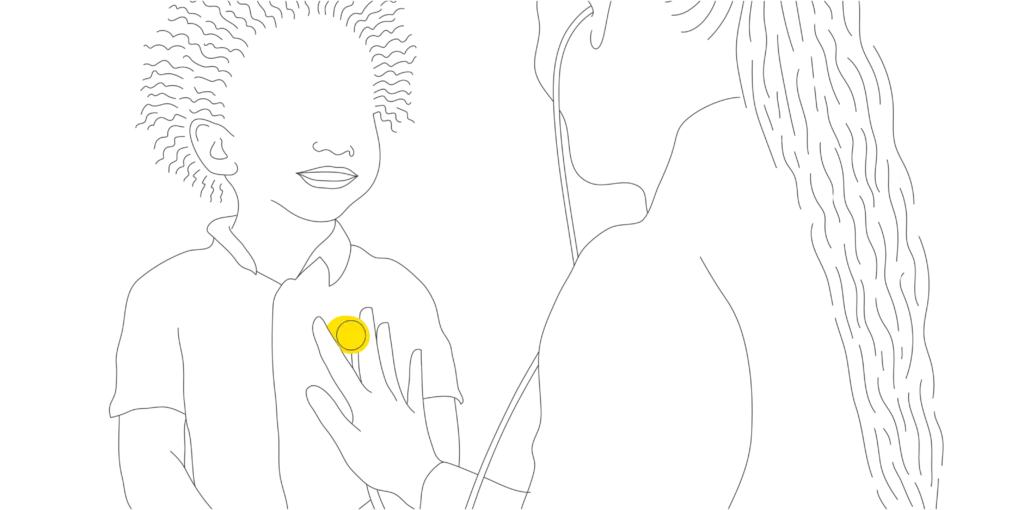
The Stanford Center on Early Childhood is proud to announce the Spring 2026 launch of the national RAPID-Pediatrics survey, expanding our ongoing efforts to understand and support the well-being of young children and families. Building upon our existing RAPID surveys of parents of children under age 6 and child care providers, this new survey will gather insights from pediatric healthcare providers to inform policies and programs that promote healthy early childhood development. To reach clinicians across the country, the RAPID-Pediatrics survey is first partnering with Reach Out and Read and its affiliates.
“We are deeply committed to understanding the challenges and opportunities facing young children and their families,” says Dr. Ryan Padrez, MD, Associate Director at the Stanford Center on Early Childhood and Clinical Associate Professor of Pediatrics at the Stanford School of Medicine. “As healthcare needs continue to evolve, the RAPID-Pediatrics survey will provide actionable data to help create a more supportive and equitable environment for all children to thrive.”
Previous RAPID survey data has shown pediatric healthcare providers are highly trusted by parents and caregivers of young children. The RAPID-Pediatrics survey aims to document the voices and experiences of pediatric healthcare providers, including pediatricians, family medicine physicians, nurse practitioners, physician assistants, and other medical professionals who work directly with families with young children. By listening to their frontline observations, we seek to identify key areas where children and families need additional support and resources.
Focus areas that the survey will explore from the pediatric healthcare provider perspective include:
● Children’s access to developmental, behavioral, and preventive care
● Families’ access to child care and economic supports
● Pediatric provider well-being and practice environment
The first analyses from the RAPID-Pediatrics survey are expected in Fall 2026. While the brief online survey is specifically designed for pediatric healthcare providers, the findings will be relevant to anyone interested in the well-being of young children, including parents, advocates, policymakers, and community leaders.
The RAPID-Pediatrics survey project is made possible through a generous initial funding grant, and we are actively seeking additional support to sustain its reach and impact.